Trampoline Accidents
📅 2026 Update: Changes Affecting Trampoline Accident Legalities
Since the original article on trampoline accidents was published, several significant updates have emerged that may impact how such incidents are handled legally. These changes include new regulations regarding vehicle safety and updates to boating laws, which highlight the importance of safety measures in recreational activities. The earlier article continues further down the page and provides essential insights on trampoline accidents.
🛥️ Boating Safety and Alcohol Regulations
In 2024, the fatality rate for recreational boating dropped to 4.8 deaths per 100,000 registered vessels. This is a slight decrease from 4.9 in 2023. Alcohol use remains a leading cause of boating fatalities, contributing to about 20% of identified deaths in 2024.
Understanding these statistics is vital for anyone involved in recreational activities, including trampoline parks that may offer water-related attractions.
🚜 Wisconsin’s New Seat Belt Law for UTVs
As of June 1, 2026, all occupants of Utility Task Vehicles (UTVs) in Wisconsin are required to wear seat belts. This law aims to improve safety and reduce injuries in off-road vehicles. For trampoline parks that offer UTV rides or similar activities, ensuring compliance with this law is essential to avoid legal issues and promote customer safety.
🏗️ Alex Gate Safety Act Advancements
In April 2026, the Alex Gate Safety Act was passed by the U.S. Senate Commerce, Science, and Transportation Committee. This act seeks to establish safety standards for large gates used in various settings.
While it may not directly relate to trampoline parks, it reflects a broader trend toward enhancing safety measures in recreational facilities.
🏞️ Insurance Claim Reporting Timelines
Policyholders are generally expected to report a covered loss within a reasonable time frame, often the same day as the incident. This is crucial for trampoline accident claims, as timely reporting can significantly affect the outcome of insurance claims related to injuries sustained in trampoline parks.
📌 Key Points
- Boating fatalities decreased in 2024, with alcohol as a major factor.
- Wisconsin's UTV seat belt law took effect June 1, 2026, enhancing safety.
- The Alex Gate Safety Act aims to improve safety standards for large gates.
- Timely insurance claim reporting is essential for accident claims.
- These updates reflect a growing focus on safety across recreational activities.
💡 Tips for Handling Trampoline Accidents
Reviewing the details of your situation with an attorney can help clarify your options.
🛡️ Understand Your Rights
If you or someone you know has been injured in a trampoline accident, it's essential to know your rights. Injured parties may pursue claims for medical expenses, lost wages, and pain and suffering.
📄 Document Everything
Collect all necessary documentation related to the incident. This includes medical reports, photographs of the scene, and any witness statements. Well-documented claims are easier to process.
🚨 Report the Incident
Report the accident to the trampoline park management as soon as possible. This step is crucial for ensuring that the incident is officially recorded, which can be vital for any future claims.
🧾 Know the Insurance Process
Understanding the insurance claim process can help you navigate the aftermath of an accident. Familiarize yourself with the steps involved, such as filing a First Notice of Loss and providing necessary documentation.
💬 Seek Help from Organizations
Consider reaching out to organizations like the National Safe Boating Council for resources on safety and accident prevention. These organizations can provide valuable information that may assist in your case.
🏥 Follow Up on Medical Treatment
Ensure you follow up on any medical treatment needed due to the accident. This not only helps in recovery but also strengthens your claim by showing ongoing medical needs related to the incident.
❓ Frequently Asked Questions
❔ What should I do immediately after a trampoline accident?
Seek medical attention if necessary, then report the incident to the trampoline park management. Document the scene and gather contact information from witnesses.
🚑 How can I prove my injury was caused by the trampoline park?
Document your medical treatments and maintain records of your injuries. Witness statements and photographs of the incident can also support your claim.
📉 How long do I have to file a claim after an accident?
Typically, you should report a covered loss as soon as possible, often the same day. Delays can lead to potential denial of coverage.
📅 What if I was injured while using a trampoline at a friend's house?
You may still have options for pursuing a claim, depending on the circumstances. Document the incident and consider discussing it with a legal professional.
🛡️ Are trampoline parks required to have insurance?
Most trampoline parks carry liability insurance to cover injuries. It is advisable to check their coverage policies for specific details.
📊 How can I find out more about trampoline safety regulations?
Resources like the National Safe Boating Council and the National Conference of State Legislatures offer valuable information on safety regulations. They can help you stay informed about current laws and best practices.
⚖️ Recent Cases Related to Trampoline Accidents
Recent court rulings have addressed various aspects of liability and safety in recreational activities, including trampoline parks. These decisions can shape how future claims are handled and the responsibilities of facility owners.
- Court rules on liability in e-scooter and taxi collision caseAppellate Division of the Supreme Court of the State of New York · June 25, 2026
- Court rules on liability claims in subway injury caseAppellate Division of the Supreme Court of the State of New York · June 25, 2026
- Florida court affirms ruling in Red Roof Plus+ injury caseDistrict Court of Appeal of Florida · June 26, 2026
- Court Reverses Damages in Boating Injury Case, Affirms LiabilityNew Jersey Superior Court Appellate Division · June 26, 2026
For further details, browse more rulings on the news page.
End of October 2026 Update
Trampoline accidents are classified as recreational – and at times, sports accidents – that involve one or more individual’s use of a trampoline. A trampoline is one of the primary examples of sports equipment that can result in injury in the event of improper and unsafe usage. Statistics illustrate upwards of 85,000 trampoline accidents occurring per year in the United States, with upwards of 90 percent of those accidents resulting from home trampoline use.
What is a Trampoline?
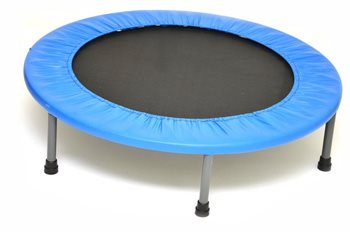
Varying in size and shape, a trampoline is a piece of equipment that is used to extend the velocity and height jumps and leaps performed by an individual. A trampoline consists of durable, elastic material pulled taut across the surface area of the trampoline, which is then stabilized by springs. These springs allow for added elasticity. The surface of the trampoline is mounted atop a stand that can vary in height, depending on the size of the trampoline.
The Danger of Trampolines
Once an individual bounces on the surface of a trampoline, the exaggerated, elasticity maximizes the height, power, velocity, and speed to an individual’s natural jumping ability. Those individuals who are unpracticed or unfamiliar with the mechanics and physics of trampolines run a risk of having a trampoline accicdent.
Preventing Trampoline Accidents
Although trampolines can provide a great deal of fun and enjoyment for those using them, improper trampoline use can have tragic results. Prior to using a trampoline, the owners are encouraged to ensure the integrity of its construct. The following are some precautionary steps that can be taken in order to avoid trampoline accidents:
Ensure that the purchase of a trampoline has been made from a reputable distributor and/or manufacturer that ensures that quality, integrity, and reliability of their products.
Ensure that the trampoline includes notification that it has been tested and inspected in accordance with Federal, legal, and commercial standards.
Ensure that the trampoline possesses a warranty that explains the legal process of its use; this includes liability and user responsibility.
Ensure that the enclosed instructions are read and understood by all individuals using the trampoline; pay close attention to any warnings, suggestions, and tips offered by the manufacturer.
Ensure that a medical professional has confirmed that the individuals using the trampoline are in sound physical condition to safely use a trampoline.
Ensure that there exists regulated and approved padding surrounding the perimeter of the trampoline in order to reduce the risk of trampoline accidents.
Ensure that the proper safety and protective gear is worn by all users.
Trampoline Accident Recourse
If confusion exists regarding the use and/or process of the trampoline in question, an individual is encouraged to consult with an attorney prior to its usage. An attorney specializing in liability, personal injury, accidents, and consumer laws will provide assistance in clarifying the liability of the manufacturer in the event of a trampoline accident.
However, an attorney should be contacted subsequent to any trampoline accidents in order to assess liability, personal injury, and to provide legal review of the case details.